
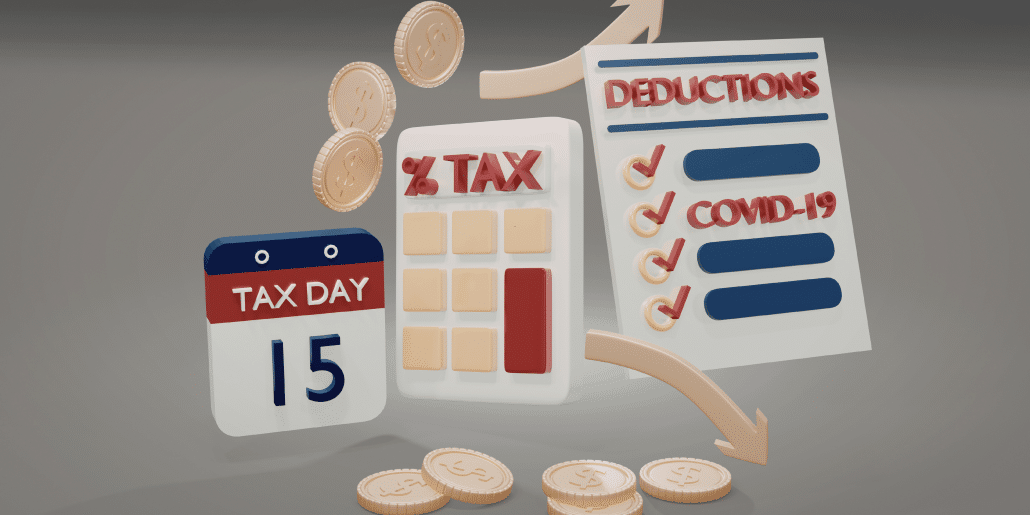
What Is Tax Planning?
Taxes are a part of everyday life. Whether you’re an individual earning a salary, a small business owner, or an investor, taxes affect your financial decisions. But did you know that with proper planning, you can legally reduce the amount of tax you pay? This is where tax planning comes into play.
Tax planning is the technique of structuring your financial planning in order to reduce the amount of taxes you are liable to, without breaking the law at all. It is a process of examining your earnings, spending, investments and deductions to maximize tax-saving opportunities. Simply stated, tax planning is concerned with retaining more of your precious earnings.
Why Is Tax Planning Important?
Planning of taxes is very important to individuals and businesses.
Here’s why:
Reduces Tax Liability
The most apparent advantage of tax planning is the minimization of the taxes that are owed. Through intelligent financial choices, you will be able to exploit deductions, credits, and exemptions.
Encourages Savings and Investments
Financial planning can be used together with tax planning. To illustrate, when you invest in tax-favored accounts such as 401 (k)s or IRAs, you are not only accumulating wealth, but you are also lowering your taxable income.
Helps Avoid Legal Issues
Good tax planning is one that makes sure you abide by the taxation legislation. Making unplanned tax filings may at times result in inaccuracy, fines, or IRS audit.
Improves Financial Stability
You are able to better manage cash flow when planning your taxes in advance. You will know when to pay, how to save and how to spend wisely.
Types of Tax Planning
There is no universal tax planning. Different types are available according to your goals and time.
Short-Term Tax Planning
This type is concentrated on the present financial year. This is according to the objective of optimizing deductions and credits prior to the end of the year.
For example:
- Making contributions in Roth IRA or Traditional IRA.
- Settling of some of the deductibles such as mortgage interest or donations.
Long-Term Tax Planning
Long term tax planning is concerned with financial choices in the future.
It is all about planning big life occurrences such as:
- Retirement
- Buying a home
- Sending children to college
Such planning tends to include strategic investment planning and estate planning.
Permissive Tax Planning
Permissive tax planning is a strategy that exploits the tax incentives that are given by the government.
For instance:
- Home improvement tax credits on energy-efficient buildings.
- Expenses deductions on education.
Preventive Tax Planning
Preventive tax planning is offensive. It also makes sure that you do not pay any more tax than required.
For instance:
- Forming your business as LLC rather than a sole proprietorship to minimize the tax rates.
- Planning of capital gains to maximize low tax bracket.
Key Components of Tax Planning
It is necessary to know the elements of tax planning. These factors assist in making sound decisions during the year.
Income Analysis
The first step is to know all the sources of your income.
This includes:
- Salary or wages
- Rental income
- Business income
- Investments and dividends
Your income would be analyzed and using the analysis, you can approximate your tax liability and then strategize on how to reduce the same.
Deductions and Exemptions
Deductions decrease your taxable income whereas exemption decreases the tax due.
Common deductions include:
- Mortgage interest
- Medical expenses
- Charitable contributions
- Student loan interest
Dependents may be exempted and particular circumstances as defined by the IRS.
Tax Credits
The tax credits, unlike the deductions, do not decrease the taxable income but the tax you are actually paying.
Few of the popular credits are:
- Child Tax Credit.
- Earned Income Tax Credit (EITC).
- Tax credits such as the American Opportunity Credit.
Investment Planning
An important instrument in tax planning can be investments.
For instance:
- Investing in tax free municipal bonds.
- It is capital gains offsetting with tax-loss harvesting.
- Depositing to tax-favored retirement plans.
Retirement Planning
Retirement accounts have great tax advantages.
Examples include:
- The contributions in traditional IRA or 401 (k) are tax-deductible.
- The contributions made to Roth IRA are not deductible whereas withdrawals are tax-free.

Tax Planning Strategies for Individuals
Maximize Retirement Contributions
Investing as much as possible in your 401(k) or IRA will decrease the amount of taxable income and will ensure that your financial future is secure.
Take Advantage of Tax Credits
Credit such as Child Tax Credit or Lifetime Learning Credit should not be neglected. These reduce directly your tax bill.
Optimize Investment Income
Long-term investments should be considered to enjoy lower rates of capital gains in the long term. Also, loss with offset gains to reduce tax.
Deductible Expenses
Record deductible expenses on a yearly basis. This includes medical and mortgage interest as well as charitable donations.
Plan Major Expenses Wisely
It is possible to maximize your tax advantages in a given year by timing large deductible expenses such as medical procedures or charitable donations.
Tax Planning Tips for Small Businesses
Tax planning is particularly important to the small business owner.
Here are some tips:
Choose the Right Business Structure
Taxes depend on the type of business. An LLC or a S Corporation may be tax-beneficial in comparison to a sole proprietorship, to mention a few.
Track Expenses Carefully
Deductible items such as office supplies, traveling, home office costs may greatly decrease the taxable income.
Use Retirement Plans
Small business owners can establish retirement plans including a SEP IRA or Solo 401 (k) to themselves and the employee so that the taxable income is cut down.
Plan for Estimated Taxes
Quarterly payments of estimated taxes eliminate penalties and cash flow management.
Common Mistakes to Avoid in Tax Planning
Even simple mistakes can cost you money.
Avoid these pitfalls:
Procrastination: You can be restricted by the time you get to tax season. Begin planning early on in the year.
Ignoring Deductions Ignored: Small deductions make a difference. Keep thorough records.
Credits being overlooked: Tax credits are one way of reducing your taxes directly, and you should not miss it.
Bad Investment Timing: Taxation Bad timing of selling investments can add to your liability.
Not Consulting Professionals: A CPA or tax advisor may assist and maximize savings.
