
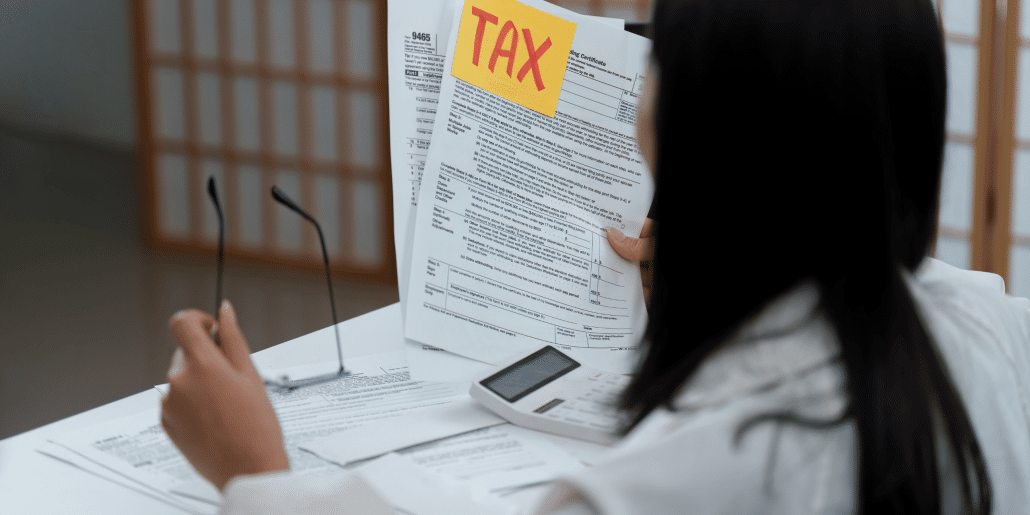
What Are Tax Preparers Called?
The process of tax filing may be stressful and confusing to most Americans. Since the deductions are difficult to comprehend, and tax legislation is difficult to follow, it is not surprising that the majority of people resort to professionals. But what are tax preparers, and what is their business? This article simplifies all of this.
Who Are Tax Preparers?
A tax preparer is somebody who assists individuals or businesses in preparing and submitting their tax returns. These professionals make sure that the tax-related documents are correct and meet the IRS requirements and, in many cases, assist their clients in saving money by means of deductions and credits.
Tax preparers come in quite handy to individuals who have complex financial backgrounds such as the self-employed, business owners or have varied sources of income. Although your taxes may be simple, it may save you time and lessen the number of errors to use a tax preparer.
Common Titles for Tax Preparers
The tax preparers have various names based on their qualifications, certifications or services they provide.
The most common titles are the following:
Certified Public Accountant (CPA)
A CPA is a licensed accountant, who has successfully taken a tough exam and fulfilled state requirements. CPAs are not tax preparers only, they also offer financial advice, auditing and accounting services.
Why hire a CPA?
- They are well trained and tax experts.
- They are able to deal with complex tax cases.
- They can give future taxes planning recommendations.
Enrolled Agent (EA)
An Enrolled Agent is a tax specialist who has been granted the power by the U.S treasury department to act on behalf of taxpayers before the IRS. EAs are experts in tax preparation and IRS problems.
Benefits of using an EA:
- Knowledge in federal tax regulations.
- Capability to defend clients during audits or IRS lawsuits.
- Ongoing learning maintains the current knowledge of change in taxes.
Tax Attorney
A tax attorney is an attorney specializing in the complicated law of taxation. They come in handy especially when you have some problems with the law like in terms of taxes like audit, appeal or disputes.
Consultation of a tax attorney:
- Undergoing litigation or tax fraud accusations with the IRS.
- Their need to seek legal advice on estate or business taxes.
- Preparation of intricate financial dealings of legal nature.
Non-Credentialed Tax Preparers
These are individuals who prepare taxes but do not have professional licenses like CPAs or EAs. They may work for tax preparation companies or independently.
Things to consider:
- They may be less expensive than CPAs or EAs.
- Quality can vary, so check reviews or ask for referrals.
- Ensure they have a valid PTIN (Preparer Tax Identification Number) issued by the IRS.
The Role of Tax Preparers
Regardless of the title that they bear, tax preparers have some key functions:
Preparing Tax Returns
This is the primary work of any tax preparer. They collect financial data, compute the taxable income, deductions, and credits, and complete the relevant tax forms.
Tax Planning
Tax planning is an option provided by some of the tax preparers, particularly CPAs and EAs. They give ways of reducing taxes through legal means and maximizing financial choices.
IRS Representation
The IRS has the ability to have CPAs, EAs, and tax attorneys to represent their clients in the event of an audit, an appeal, or a collection problem. This is a useful service in solving disputes.
Financial Advice
Some of these tax preparers, especially CPAs might also offer some advice on investments, retirement planning, and other financial issues that may affect taxes.
How to Choose the Right Tax Preparer
The choice of the appropriate tax preparer is a matter of needs, financial status, and budget.
The following are the tips of tax assistance:
Check Credentials
Make sure that your tax preparer is well qualified in your case. Complex cases are best handled by CPA and EAs whereas non-credentialed preparers are possible when dealing with simple tax returns.
Verify PTIN
Every tax preparer in the U.S. that is paid a tax needs a Preparer Tax Identification Number (PTIN). This makes them be identified by the IRS.
Ask About Experience
It is important to have experience, particularly when you have special tax situations such as self-employment income, rental properties or stock investments.
Discuss Fees Upfront
Tax preparation costs vary. Other preparers have a flat fee, whereas others have a fee depending on the complexity of the return. Always make sure that you check fees first.
Read Reviews and Request Referrals
Online reviews and word of mouth can be used to find reliable tax preparers. Get suggestions through friends, relatives or workmates.

