
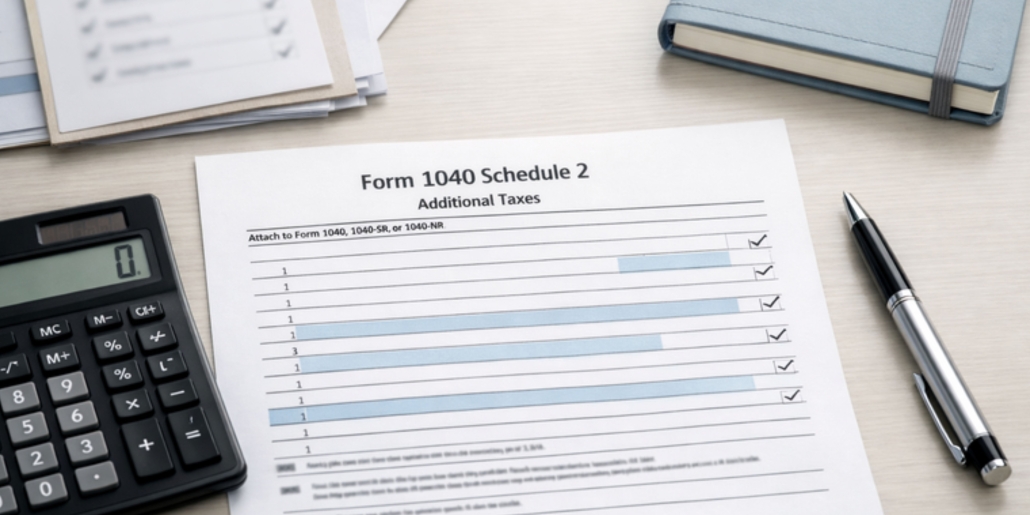
Is 1040 a Regular Tax Form?
When individuals begin to work, they must file income tax; they are likely to encounter the same form over and over again: Form 1040. One of the most frequently asked questions is, Is the1040 a regular tax form? The response is yes; it is a standard individual tax return form that is used in most tax filing systems. Nevertheless, it is much easier to grasp what it actually does and why it is important to make tax filing clearer and less confusing.
This guide describes Form 1040 in straightforward language, its purpose, format, and intended users.
What Is Form 1040?
Form 1040 is the main type of individual income tax returns that are used to compute taxable income and report annual income and deductions. It serves as the filing document for personal income taxes.
Form 1040 is used by taxpayers to:
- Report earnings of employment, business, investments, etc.
- Take tax deductions and credits
- Determine amount of tax to be paid or refunded
Form 1040 is often regarded as the regular tax form because it is the primary form that most people use to file their taxes.
Why Form 1040 Is Considered the Standard Tax Form?
Form 1040 is referred to as a standard tax form since it is used by almost all individual taxpayers, regardless of their income level and financial status. It is intended to be versatile and all encompassing.
The reason why it is considered the default form is as follows:
Universal use: It is most commonly used by most people when they are filing taxes annually.
Flexible form: It embraces various forms of income and financial circumstances.
Expandable system: It is possible to add more schedules to report in detail.
There were some simplified versions of tax forms in the past, but nowadays, Form 1040 has replaced them, and it is the primary filing form of an individual.
Who Needs to Use Form 1040?
Form 1040 is applicable to a diverse group of taxpayers. It does not only apply to complicated financial cases; it is applicable to nearly all individuals who submit an individual tax return.
You usually require Form 1040 when you have:
- Income from salary or wages
- Self-employment or freelance income
- Income on investments like dividends or capital gains
- Tax credits or deductions
- Family-based or dependent tax benefits
Form 1040 continues to be the universal form for personal tax filing even with individuals with simple income structures.
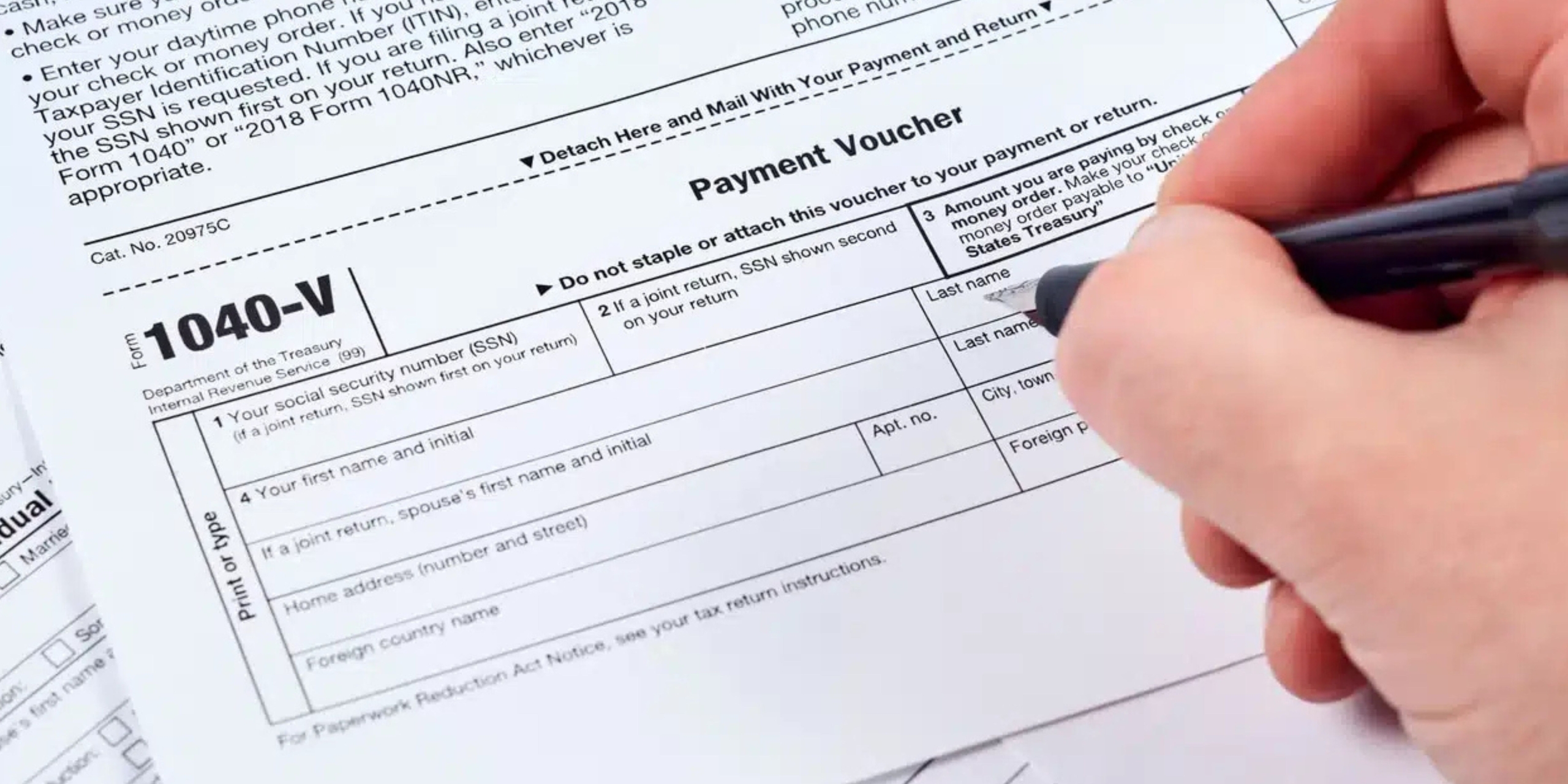
Key Sections of Form 1040
Form 1040 is categorized into well-structured parts that assist in organizing financial data.
Income Reporting Section
All forms of income including wages, business income, interest, and dividends are included in this section.
Adjustments to Income
In this case, taxpayers have the opportunity to lower taxable income by making qualified deductions such as retirement savings or deductions related to education.
Calculation of Taxes and Credits
This section calculates the amount of tax due after taking into account deductions and credits like child-related benefits or education credits.
Payments and Refunds
The last section is the comparison of already paid taxes and total tax liability to check whether the refund is due or the tax is to be paid further.
Variations of Form 1040
Although the primary version is Form 1040, there are some variations that are intended to suit the needs of particular taxpayers. Even these versions are under the same broad category.
There are some typical variations, which are:
Form 1040-SR: This is a simplified form with larger text that is used by the older taxpayer.
Form 1040-NR: This is filled by those who are not residents but earn income in the system.
Despite of these differences, Form 1040 is the fundamental document used for filing individual taxes in any case.
Common Misconception About Form 1040
Form 1040 is a daunting form to many people, but there are a number of myths that can make it appear more difficult than it actually is.
Misconception 1: It is applicable only in complicated financial circumstances
As a matter of fact, both simple and complex tax filings are done using Form 1040.
Misconception 2: It is difficult to complete manually
A majority of individuals utilize digital filing software or professional services, which make it much easier.
Misconception 3: It is optional or can be substituted by other forms
Form 1040 is the main form that individuals need to file their taxes, and other schedules are merely supportive.
This knowledge can help to minimize misunderstandings and simplify the process of tax filing.
Tips for Filing Form 1040 Smoothly
Taxes are not that hard to file, provided one is well prepared. Form 1040 is a lot easier to do step by step.
The following are some useful tips:
Prepare documents in advance: Prepare income statements and financial records prior to beginning.
Apply filing software: Digital applications will minimize mistakes and direct the process.
Check details: Make sure that all personal and financial details are correct.
E-file where possible: Electronic filing is more efficient and quicker.
Keep a copy: It is always good to have a copy of your completed return to use later.
An organized strategy will minimize stress and enhance accuracy in the tax season.
Putting Form 1040 Into Perspective
Form 1040 is the standard and common corporate tax form that is used to file individual income taxes. It creates the basis of personal tax reporting and is meant to deal with a broad variety of income cases.
Regardless of whether a person has a simple income or various sources of income, Form 1040 is the primary form that is used to report income, deductions, and tax.
Knowing its operation makes it easier to file taxes and enable people to remain within the law and to maximize the benefits they can receive.

